14 March
Interior
Bathroom Interior Design Trends for 2026: Smart & Stylish Choices
- Vinigabb
- Bathroom Interior Design
- 0 Comments
Bathrooms have evolved from purely functional spaces into stylish, relaxing retreats within the home. In 2026, bathroom interior design focuses on combining technology, comfort, sustainability, and aesthetics. Modern homeowners are looking for bathrooms that feel luxurious while still being practical for everyday use.
From spa-inspired layouts to smart technology and natural materials, the latest trends are transforming bathrooms into wellness-focused spaces that enhance both style and functionality. According to interior design experts, bathrooms are increasingly designed as personal sanctuaries that prioritize comfort, creativity, and ease of use.
If you are planning a bathroom renovation or designing a new home, here are the top bathroom interior design trends for 2026 that will help you create a smart and stylish space.
1. Spa-Inspired Bathrooms
One of the biggest trends for 2026 is turning bathrooms into relaxing spa-like retreats. Instead of a purely functional design, homeowners want spaces that promote relaxation and wellness.
Key features of spa-style bathrooms include:
- Freestanding bathtubs
- Rainfall showers
- Soft, warm lighting
- Natural stone surfaces
- Minimal clutter
Spa-inspired designs focus on creating a calming atmosphere where homeowners can unwind after a long day. Even smaller bathrooms can achieve this look with neutral colors, textured tiles, and ambient lighting.
2. Smart Bathroom Technology
Technology is becoming an essential part of modern bathroom design. Smart features enhance convenience, hygiene, and energy efficiency.
Popular smart bathroom features include:
- Motion-sensor faucets
- Voice-controlled lighting
- Smart mirrors with LED displays
- Automatic flushing toilets
- Digital showers with temperature control
Smart toilets and electronic bidet systems are also becoming more common, offering advanced hygiene features and personalized settings.
These innovations not only improve comfort but also help conserve water and energy.
3. Natural Materials and Earthy Tones
Bathrooms in 2026 are moving away from sterile white spaces toward warmer, nature-inspired designs. Natural materials create a more welcoming and calming environment.
Trending materials include:
- Natural stone tiles
- Marble and travertine
- Wood or wood-effect cabinets
- Clay and terracotta finishes
Earthy colors like browns, olive greens, and clay tones are replacing cool grey palettes to create a warmer aesthetic.
Combining wood textures with stone surfaces adds depth and character while maintaining a modern look.
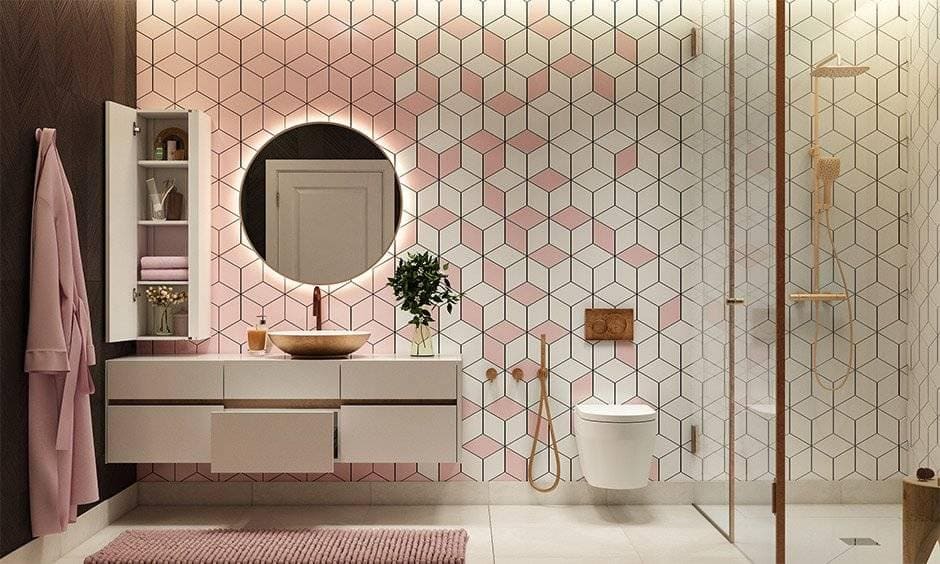
4. Statement Tiles and Textured Walls
Tiles are no longer just functional surfaces—they are becoming design statements.
In 2026, designers are experimenting with:
- 3D textured tiles
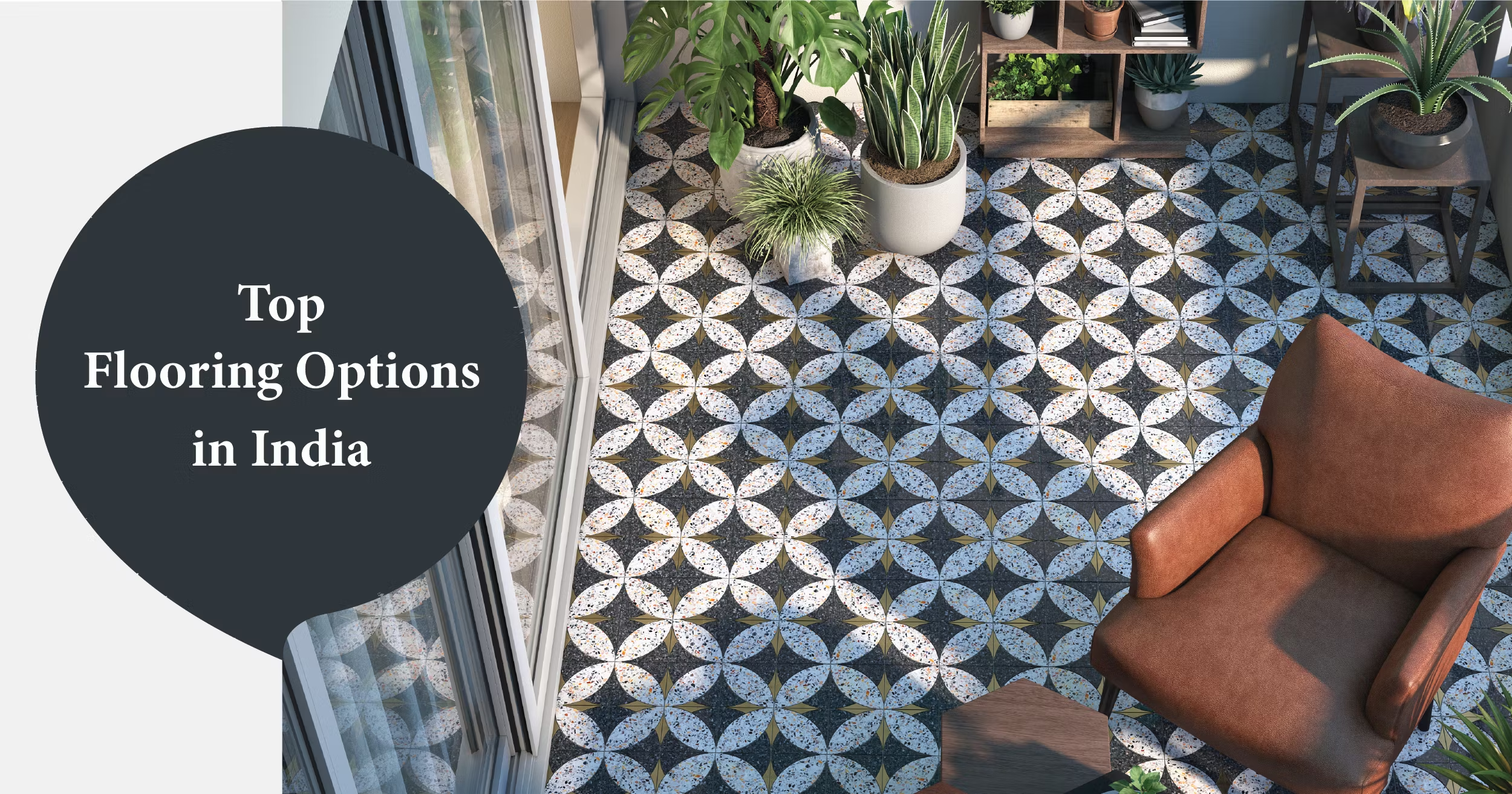
- Patterned floor tiles
- Large-format stone tiles
- Mosaic accents
Layering textures and patterns adds personality and visual interest to bathrooms. Even small spaces can benefit from bold tile designs that create a dramatic focal point.
5. Floating and Wall-Mounted Fixtures
Wall-mounted vanities, toilets, and storage units are becoming increasingly popular in modern bathrooms. These fixtures create a clean, minimalist appearance and make the space feel larger.
Benefits of floating fixtures include:
- Easier cleaning
- More floor visibility
- Modern aesthetic
- Space-saving design
This trend is particularly useful for small bathrooms where maximizing space is important.
6. Sustainable and Eco-Friendly Designs
Sustainability is a major focus in modern home design, and bathrooms are no exception.
Eco-friendly bathroom solutions include:
- Water-saving faucets and showerheads
- LED lighting
- Energy-efficient ventilation systems
- Recycled materials for tiles and countertops
These sustainable choices help reduce environmental impact while lowering utility bills.
7. Bold Colors and Personalization
While neutral palettes remain popular, 2026 also welcomes bold colors and personalized designs.
Trending colors include:
- Deep blues
- Emerald greens
- Terracotta shades
- Matte black accents
Designers are also encouraging homeowners to add artwork, decorative mirrors, and unique accessories to create a bathroom that reflects their personal style.
8. Japandi and Minimalist Styles
The Japandi design trend, which blends Japanese minimalism with Scandinavian simplicity, continues to influence bathroom interiors.
Key elements of this style include:
- Clean lines and uncluttered layouts
- Natural wood finishes
- Soft neutral tones
- Functional yet elegant fixtures
This style creates a peaceful and timeless bathroom environment.
9. Mood Lighting and Layered Illumination
Lighting plays a crucial role in bathroom design. Instead of relying on a single overhead light, modern bathrooms use layered lighting for functionality and atmosphere.
Common lighting elements include:
- LED mirrors
- Cove lighting
- Pendant lights
- Under-cabinet lighting
Mood lighting allows homeowners to adjust brightness depending on the time of day or activity.
10. Larger Showers and Open Layouts
Another major trend is replacing bulky bathtubs with spacious walk-in showers. Glass partitions and open layouts make bathrooms appear larger and more modern.
Walk-in showers often feature:
- Frameless glass panels
- Rainfall showerheads
- Built-in niches for storage
- Natural stone tiles
This design creates a luxurious and hotel-like feel.
Conclusion
Bathroom interior design in 2026 focuses on blending style, comfort, and technology. From spa-inspired layouts and natural materials to smart features and bold personalization, modern bathrooms are becoming sophisticated living spaces rather than simple utility rooms.
Whether you prefer a minimalist aesthetic or a luxurious retreat, the key is to create a design that reflects your lifestyle while maintaining practicality. By incorporating these trends, you can transform your bathroom into a stylish, relaxing, and future-ready space.
Related Posts