Choosing the right colour combination for your home is one of the most impactful interior design decisions you’ll ever make. Colours don’t just define how your home looks—they influence mood, energy, comfort, and even how spacious a room feels. In Indian homes, where culture, climate, lifestyle, and emotions all play a role, selecting the perfect colour palette becomes even more important.
From modern apartments to traditional villas, Indian interiors demand a thoughtful balance of aesthetics and practicality. This guide explores the best colour combinations for Indian homes, along with expert tips to help you create harmonious, stylish, and timeless interiors.
1. White and Warm Neutrals: Timeless & Elegant
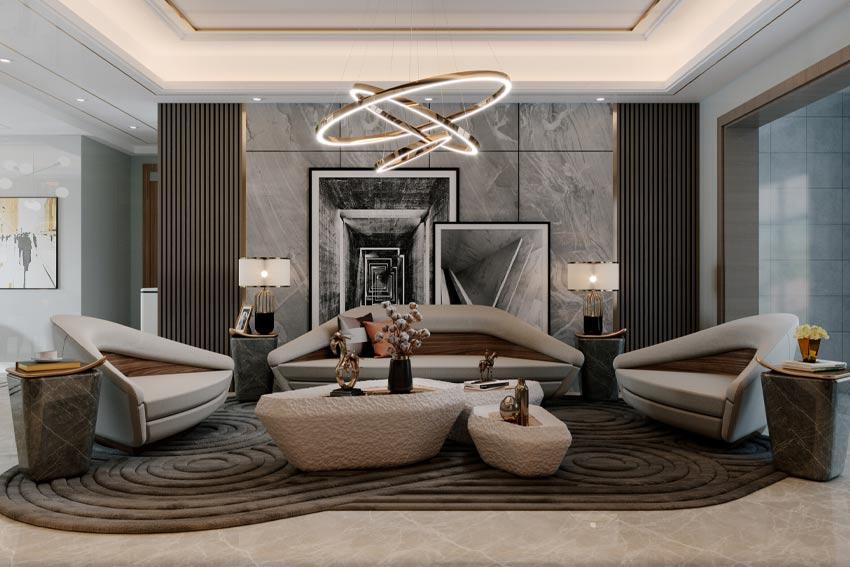
White paired with warm neutrals like beige, ivory, or cream is one of the most popular and versatile colour combinations for Indian homes. This palette creates a bright, open, and calming atmosphere—ideal for both small apartments and large homes.
Why it works well in India:
- Reflects natural light, making spaces feel airy
- Keeps interiors cool in warmer climates
- Works beautifully with wooden furniture and marble flooring
Best for: Living rooms, bedrooms, and open-plan spaces
Expert tip: Add texture using curtains, rugs, or cushions to avoid a flat look.
2. Beige and Brown: Warm & Inviting
Beige and brown create a cosy, earthy environment that feels welcoming and grounded. This combination works exceptionally well for Indian families who prefer warm, comfortable spaces over bold designs.
Why it’s a great choice:
- Creates a homely, balanced feel
- Pairs well with wooden furniture
- Ideal for traditional and semi-modern interiors
Best for: Living rooms, family rooms, and bedrooms
Expert tip: Use lighter beige on walls and darker brown for furniture or accent walls.
3. Grey and White: Modern & Sophisticated
Grey and white have become a favourite colour combination for modern Indian homes. This duo offers a clean, elegant look while maintaining visual depth.
Why Indian homeowners love it:
- Looks premium and contemporary
- Easy to accessorize with pops of colour
- Perfect for urban apartments
Best for: Living rooms, master bedrooms, and home offices
Expert tip: Use warm grey tones to prevent the space from feeling too cold.
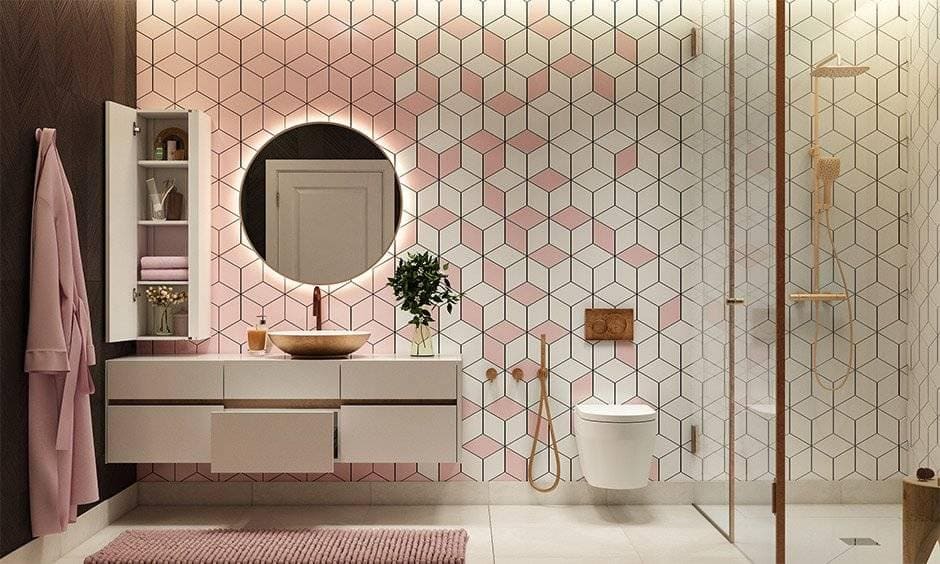
4. Pastel Shades with White: Soft & Refreshing
Pastels such as mint green, blush pink, lavender, and powder blue combined with white create a soothing and refreshing interior atmosphere.
Why this works beautifully:
- Makes rooms feel light and spacious
- Ideal for homes with limited natural light
- Creates a calm, stress-free environment
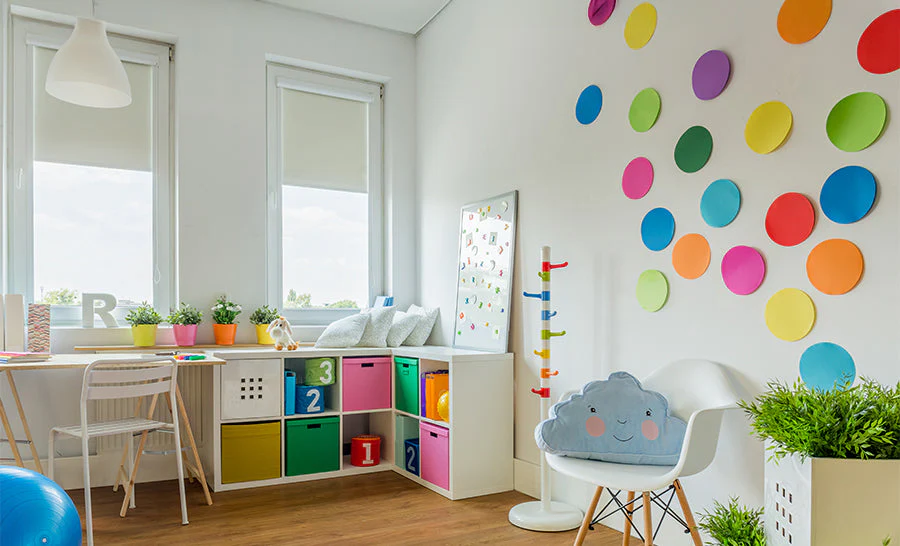
Best for: Bedrooms, kids’ rooms, and guest rooms
Expert tip: Balance pastels with white furniture or neutral flooring for a polished look.
5. Blue and White: Cool & Calming
Blue and white is a classic colour combination that suits Indian homes exceptionally well, especially in warmer regions. Blue evokes calmness, while white enhances brightness.
Why it’s perfect for Indian climates:
- Creates a cooling visual effect
- Feels clean, fresh, and peaceful
- Matches both modern and coastal-inspired interiors
Best for: Bedrooms, bathrooms, and living rooms
Expert tip: Choose lighter shades of blue to avoid making the space feel heavy.
6. Green and Beige: Natural & Balanced
Inspired by nature, green and beige bring freshness and harmony into Indian homes. This combination promotes relaxation and positivity, making it ideal for everyday living.
Why it’s trending:
- Adds a natural, earthy vibe
- Works well with indoor plants
- Complements wooden textures beautifully
Best for: Living rooms, dining areas, and bedrooms
Expert tip: Olive or sage green tones work best for a modern yet warm look.
7. Yellow and Grey: Bright Yet Balanced
Yellow represents happiness and positivity, while grey adds sophistication. Together, they form a vibrant yet controlled colour palette.
Why this combination stands out:
- Adds energy without being overwhelming
- Ideal for homes that need brightness
- Works well in both modern and traditional settings
Best for: Living rooms, kitchens, and study areas
Expert tip: Use yellow as an accent rather than a dominant wall colour.
8. Terracotta and Cream: Traditional & Earthy
Terracotta combined with cream is deeply rooted in Indian design traditions. This earthy palette brings warmth, cultural richness, and timeless charm.
Why it suits Indian homes:
- Reflects traditional Indian architecture
- Perfect for hot climates
- Feels natural and grounded
Best for: Courtyards, balconies, living rooms, and villas
Expert tip: Pair with brass décor or wooden elements for an authentic look.
9. Navy Blue and Gold: Luxurious & Bold
For those who want a rich and dramatic interior, navy blue paired with gold accents offers unmatched luxury.
Why it works:
- Creates a premium, royal feel
- Ideal for statement spaces
- Adds depth and elegance
Best for: Accent walls, master bedrooms, formal living rooms
Expert tip: Use gold in décor, lighting, or trims instead of full walls.
10. How to Choose the Right Colour Combination for Your Home
Before finalizing any colour palette, consider these expert tips:
- Room size: Lighter colours make small rooms look bigger
- Natural light: Dark shades work better in well-lit spaces
- Lifestyle: Calm tones for relaxation, vibrant tones for energy
- Furniture & flooring: Colours should complement existing elements
- Vastu (optional): Some homeowners prefer vastu-aligned colours
Always test sample shades on walls and observe them throughout the day before finalizing.
Conclusion
The right colour combination can completely transform your home—making it brighter, calmer, more spacious, or more luxurious. Indian homes benefit greatly from palettes that balance tradition, climate, and modern living needs. Whether you prefer timeless neutrals, calming pastels, earthy tones, or bold statement colours, thoughtful planning is the key. Choose combinations that reflect your personality, support your lifestyle, and enhance comfort.
With the right colour choices and expert guidance, your home can become a beautiful, harmonious space that feels inviting every single day.
Related Posts