13 April
Interior
Home Office Interior Design Ideas for Productivity & Comfort
- Vinigabb
- Office Interior Design
- 0 Comments
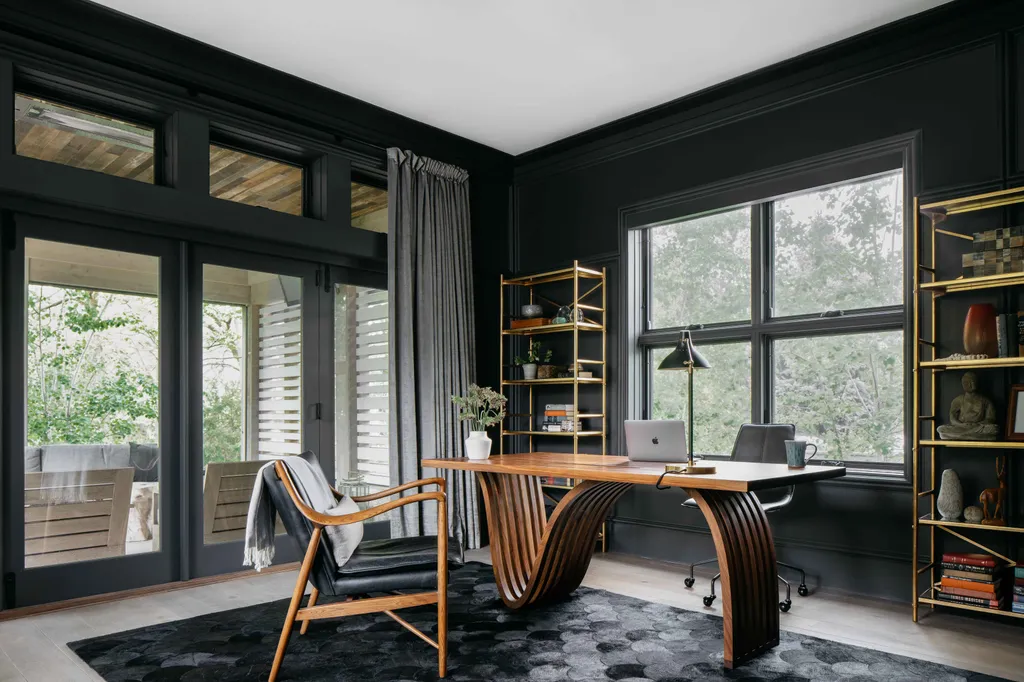
With remote work and hybrid work models becoming increasingly common, having a well-designed home office is no longer a luxury it’s a necessity. A thoughtfully designed workspace not only improves productivity but also enhances comfort, focus, and overall well-being.
Whether you have a dedicated room or a small corner in your home, the right interior design can transform your workspace into a productive and inspiring environment. Here are some practical and stylish home office interior design ideas to help you achieve the perfect balance between productivity and comfort.
1. Choose the Right Location
The first step in designing a home office is selecting the right location. Ideally, your workspace should be in a quiet area with minimal distractions.
Tips for choosing the location:
- Use a separate room if possible
- Choose a corner away from high-traffic areas
- Avoid working from your bed or couch
- Ensure access to natural light
A well-defined workspace helps create a clear boundary between work and personal life.
2. Invest in Ergonomic Furniture
Comfort is essential for productivity, especially if you spend long hours working.
Must-have ergonomic elements:
- Adjustable office chair with lumbar support
- Desk at the correct height
- Proper monitor positioning at eye level
- Footrest if needed
Ergonomic furniture reduces strain on your body and helps maintain good posture.
3. Focus on Lighting Design
Lighting plays a crucial role in maintaining focus and reducing eye strain.
Best lighting practices:
- Place your desk near a window for natural light
- Use task lighting like desk lamps
- Avoid harsh overhead lighting
- Choose warm or neutral light tones
Proper lighting creates a comfortable and efficient working environment.
4. Keep the Design Minimal and Clutter-Free
A cluttered workspace can reduce focus and productivity. Minimal design helps create a calm and organized environment.
Tips for a clean workspace:
- Keep only essential items on the desk
- Use hidden storage solutions
- Avoid excessive décor
- Organize cables and accessories
A clean workspace promotes mental clarity and efficiency.
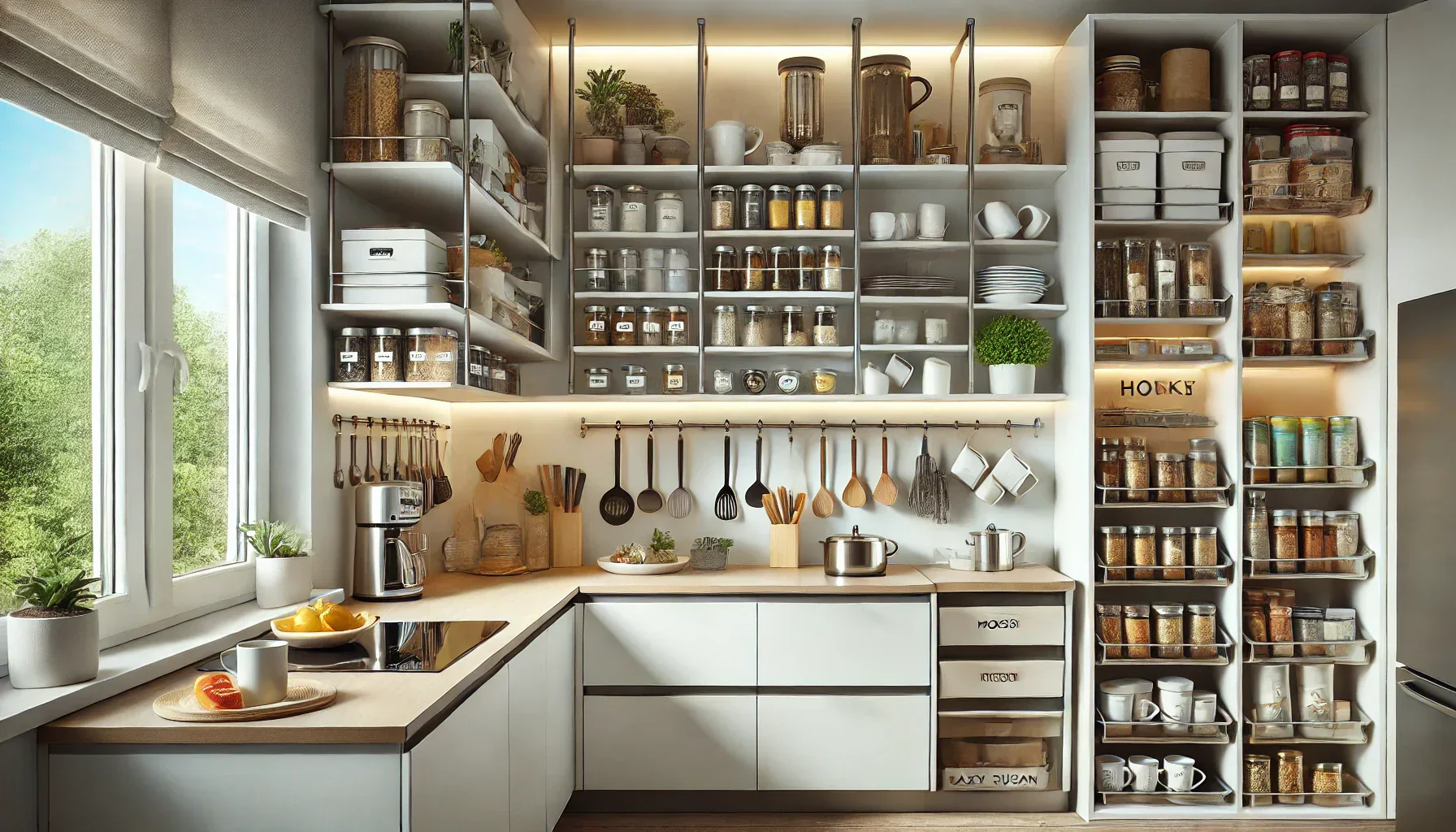
5. Add Smart Storage Solutions
Storage is essential for keeping your workspace organized.
Smart storage ideas:
- Wall-mounted shelves
- Drawer organizers
- File cabinets
- Floating storage units
Efficient storage ensures that everything has its place, making it easier to stay organized.
6. Choose the Right Color Scheme
Colors can influence mood and productivity.
Recommended colors for home offices:
- White or beige for a clean look
- Blue for focus and calmness
- Green for balance and relaxation
- Soft grey for a modern feel
Avoid overly bright or distracting colors that may reduce concentration.
7. Personalize Your Workspace
Your home office should reflect your personality while remaining professional.
Ways to personalize:
- Add artwork or motivational quotes
- Display personal photos
- Use decorative desk accessories
- Incorporate plants
Personal touches make your workspace more enjoyable and inspiring.
8. Incorporate Technology Smartly
Modern home offices require efficient technology integration.
Consider:
- Cable management systems
- Multiple charging points
- Smart lighting controls
- High-speed internet setup
A well-equipped workspace improves efficiency and workflow.
9. Add Comfort Elements
Comfort goes beyond furniture. Small additions can make a big difference.
Comfort-enhancing ideas:
- Soft rugs
- Cushions or back support
- Proper ventilation
- Temperature control
A comfortable environment helps you stay focused for longer periods.
10. Create a Multi-Functional Workspace
If space is limited, your home office can serve multiple purposes.
Examples:
- Study + office combination
- Guest room with a foldable desk
- Living room corner workspace
Multi-functional designs maximize space without compromising usability.
11. Maintain Work-Life Balance Through Design
Your workspace should not interfere with your personal life.
Tips:
- Use partitions or screens to separate work areas
- Avoid placing office setup in bedrooms if possible
- Pack away work items after office hours
This helps maintain a healthy work-life balance.
Conclusion
A well-designed home office can significantly improve productivity, comfort, and overall work experience. By choosing the right location, investing in ergonomic furniture, maintaining a clutter-free environment, and adding personal touches, you can create a workspace that supports both efficiency and well-being.
Whether you have a dedicated room or a small corner, thoughtful design choices can transform your home office into a space that inspires creativity, focus, and success.
Related Posts