13 April
Interior
The Importance of 3D Interior Design Before You Start Renovation
- Vinigabb
- 3D Interior Design
- 0 Comments
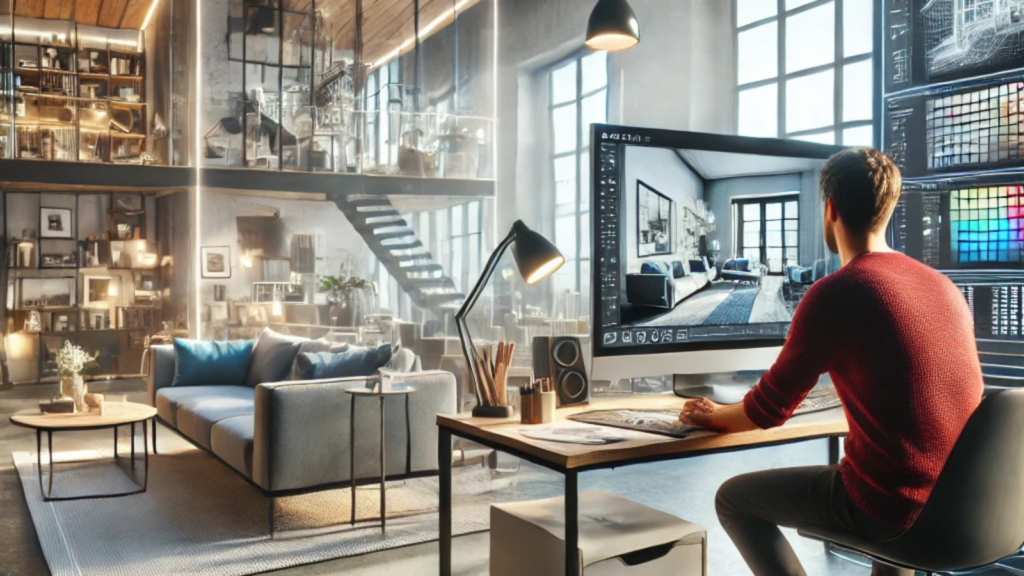
Renovating your home is an exciting journey, but it can quickly become overwhelming without proper planning. From choosing layouts and materials to coordinating colors and furniture, every decision plays a crucial role in the final outcome. This is where 3D interior design becomes a game-changer.
In today’s modern design world, 3D visualization is not just an added feature—it’s an essential step before starting any renovation. It helps homeowners see their future space clearly, make better decisions, and avoid costly mistakes.
What is 3D Interior Design?
3D interior design is a digital representation of your home that shows how the space will look after renovation. It includes realistic visuals of furniture, lighting, colors, textures, and layouts.
Unlike traditional 2D drawings or sketches, 3D designs allow you to:
- View your space from multiple angles
- Experience a near-real-life visualization
- Understand how different elements work together
Some advanced tools even offer virtual walkthroughs, giving you a complete preview of your redesigned home.
1. Helps You Visualize Your Dream Home
One of the biggest advantages of 3D interior design is clarity. Many homeowners struggle to imagine how their ideas will look in reality. What seems perfect in your mind may not always translate well into an actual space.
With 3D design, you can:
- See how furniture fits in your room
- Understand color combinations
- Preview lighting effects
- Evaluate overall aesthetics
This helps you feel confident about your design choices before renovation begins.
2. Reduces Costly Mistakes
Renovation mistakes can be expensive. Choosing the wrong material, incorrect furniture size, or unsuitable color scheme can lead to rework and additional costs.
3D interior design allows you to experiment with different options before finalizing anything. You can make changes digitally without spending money on physical alterations.
This ensures:
- Better planning
- Reduced waste
- Controlled budget
- Smooth execution
3. Improves Space Planning
Space utilization is one of the most critical aspects of interior design. Poor planning can make a room feel cramped or inefficient.
With 3D visualization, designers can test different layouts and ensure:
- Proper furniture placement
- Smooth movement flow
- Efficient use of available space
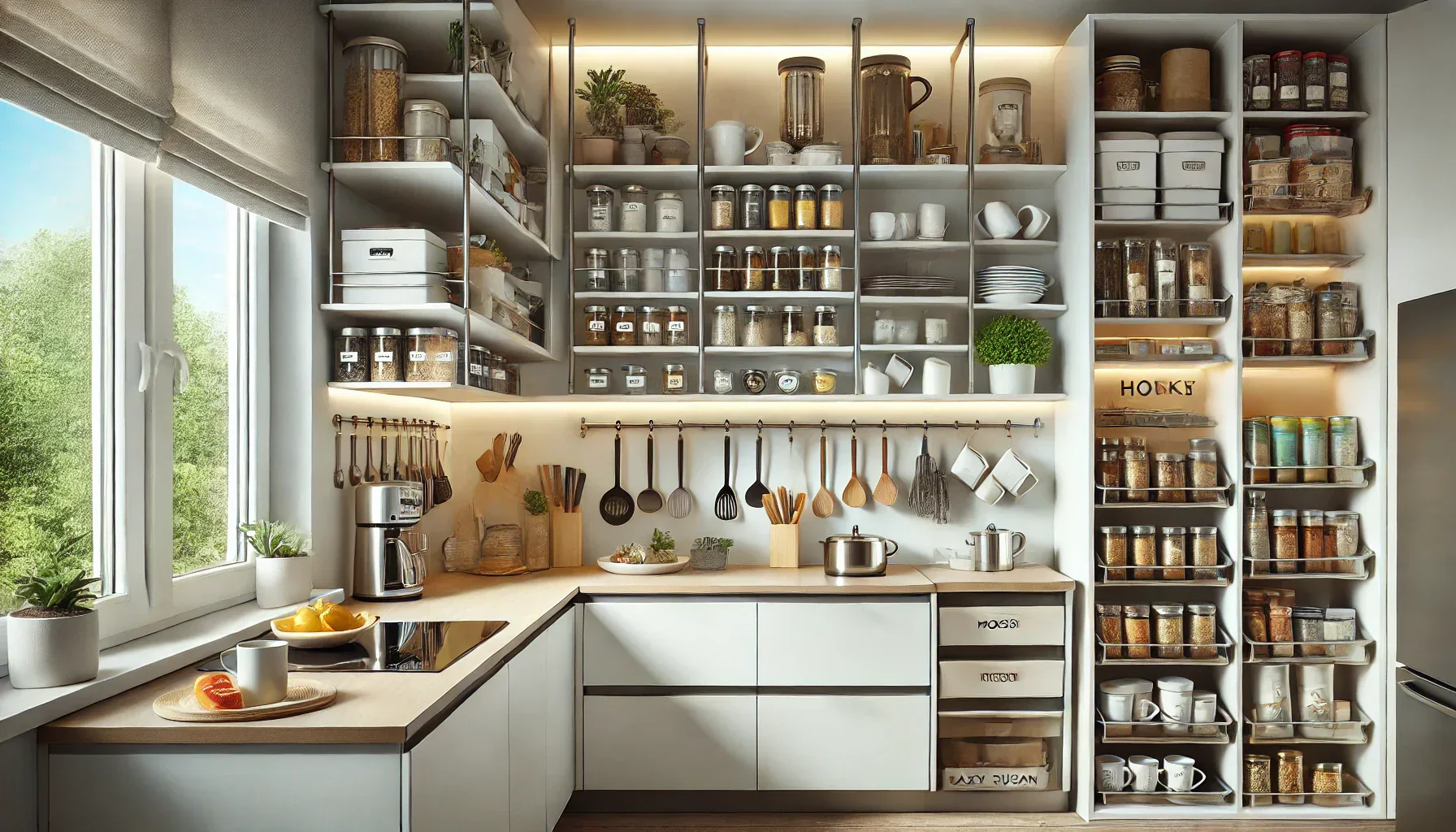
- Smart storage integration
This is especially important for compact urban homes where every inch matters.
4. Enhances Communication with Designers
Miscommunication between homeowners and designers is a common issue during renovation projects. Verbal explanations and 2D drawings can sometimes lead to confusion.
3D design eliminates this gap by providing a clear visual reference. Both the designer and the homeowner can see the same concept, making it easier to discuss changes and improvements.
This leads to:
- Better understanding
- Faster approvals
- Fewer misunderstandings
- Improved collaboration
5. Allows Easy Customization
Everyone has unique preferences when it comes to home design. 3D interior design gives you the flexibility to explore multiple options before making a final decision.
You can experiment with:
- Different color palettes
- Various furniture styles
- Lighting arrangements
- Flooring materials
If something doesn’t look right, it can be changed instantly without affecting the project timeline.
6. Better Lighting and Material Selection
Lighting and materials can dramatically impact the final look of your home. However, it is often difficult to predict how they will appear in real conditions.
3D design tools simulate both natural and artificial lighting, helping you understand how your space will look at different times of the day. You can also preview materials like wood, marble, tiles, and fabrics in realistic detail.
This ensures that your selections are both practical and visually appealing.
7. Saves Time During Renovation
When all design decisions are finalized beforehand, the renovation process becomes faster and more organized. Contractors and workers have a clear roadmap to follow.
3D design helps:
- Reduce delays
- Minimize last-minute changes
- Improve workflow efficiency
- Ensure timely project completion
This structured approach leads to a stress-free renovation experience.
8. Builds Confidence in Your Decisions
Renovation involves multiple decisions, and it’s natural to feel uncertain. Seeing a realistic preview of your home helps build confidence in your choices.
You can review every detail—from furniture placement to lighting—before work begins. This reduces anxiety and ensures satisfaction with the final result.
9. Helps in Budget Planning
Budget management is a major concern during renovation. Without proper planning, costs can quickly exceed expectations.
3D interior design helps you:
- Plan materials accurately
- Avoid unnecessary purchases
- Stay within budget
- Prioritize essential elements
By visualizing everything in advance, you can allocate resources more effectively.
10. Future-Proof Your Design
Trends change, but functionality and practicality remain important. 3D design allows you to evaluate whether your choices will remain relevant in the long run.
You can create flexible layouts and modular designs that adapt to future needs, ensuring your home remains stylish and functional for years.
Conclusion
3D interior design is no longer a luxury—it’s a necessity for anyone planning a home renovation. It provides clarity, reduces risks, and ensures that your vision is accurately translated into reality.
By allowing you to visualize, customize, and plan every detail in advance, 3D design transforms the renovation process into a smooth and enjoyable experience. Whether you’re redesigning a single room or your entire home, investing in 3D interior design is a smart step toward achieving your dream space.
With the right planning and visualization, your renovation journey can be efficient, cost-effective, and truly satisfying.
Related Posts